
What Growing Companies Get Wrong About Tax
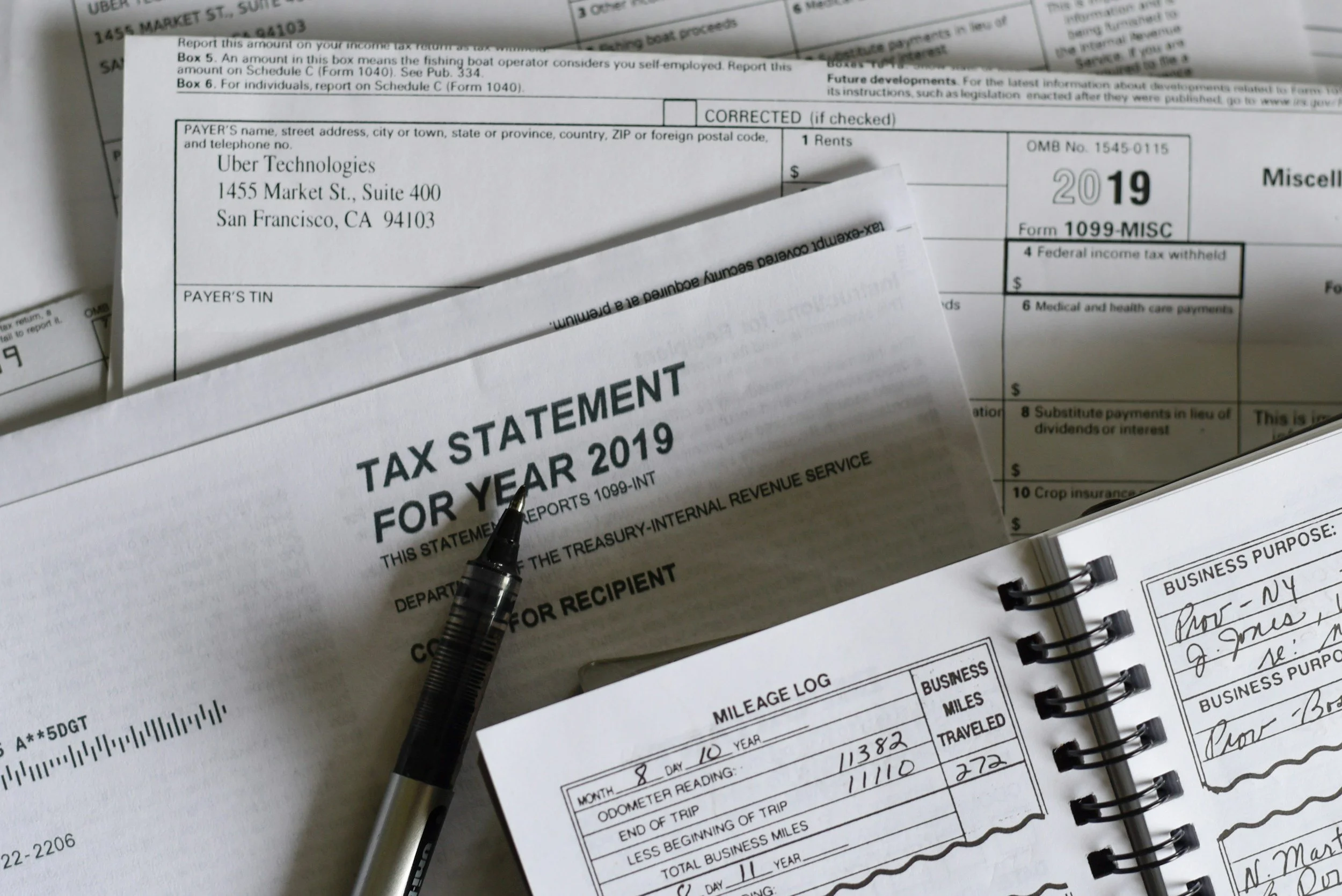
Tax isn't a once-a-year event. The companies that pay the least treat it as a year-round decision.
For a lot of growing companies, tax planning looks like this: operate all year, then hand a shoebox of records to someone in March and hope for good news. By then, almost every decision that could have changed the outcome has already been made. The single most common — and most expensive — mistake in tax isn't a wrong number on a return. It's treating tax as something that happens to you in the spring rather than something you shape all year long.
The opportunities that matter most have deadlines that fall well before filing season. The timing of a large purchase, how you structure a new hire or a contractor relationship, whether to defer or accelerate income as the year closes, how you take money out of the business — these are decisions made in real time, throughout the year, and most of them are irreversible by the time the return is being prepared. A good tax outcome is mostly built in the months nobody's thinking about taxes.
Two ideas separate companies that plan from companies that merely file. First, your tax position should inform business decisions, not just record them. The question "what are the tax implications of this?" belongs in the room before you sign, not after. Second, surprises are a planning failure, not an accounting one. If you're routinely caught off guard by what you owe, the problem usually isn't the math — it's that no one connected the year's decisions to their consequences while there was still time to adjust.
This doesn't mean obsessing over taxes or letting the tax tail wag the business dog. Plenty of good decisions are worth making even when they aren't tax-efficient, and chasing deductions for their own sake is its own kind of mistake. The goal is simpler: don't leave money on the table for lack of a conversation. A short check-in mid-year and again before year-end catches the vast majority of missed opportunities, and it replaces March anxiety with something much rarer — a return with no surprises in it.